
A day on coastal water should end with a plan for the boat's care. Saltwater exposure can affect metal components, finishes, engines and electrical connections. Construction matters, but so do cleaning, storage and regular service.
That applies to WaterCar as well as conventional boats. Amphibious operation adds road-use systems to the ownership picture; it does not remove the need for marine maintenance. The useful comparison is the care required by the actual boat and its components, rather than a promise that one type of hull is immune to corrosion.
What saltwater can do
Galvanic corrosion can occur when dissimilar metals are electrically connected in a conductive liquid. Protective materials, finishes and correctly maintained corrosion-control components help manage that exposure. Mercury's corrosion-prevention guidance explains the mechanism and the importance of flushing, rinsing and following the engine's operation and maintenance manual.
Not every visible mark is rust, and a small mark does not establish how deep a problem goes. When a fitting, coating or connection changes appearance, record it and have the underlying cause assessed rather than covering it with a product chosen only for its color.
Fiberglass and aluminum: compare the complete boat
A fiberglass hull does not rust like steel, but its metal fittings, engine and electrical equipment still need attention. Aluminum construction has a different maintenance profile, including the compatibility of coatings and neighboring materials. Neither description alone tells you how much upkeep a particular boat will need.
For an aluminum hull, paint selection deserves care. International's aluminum guidance warns that some copper-based antifouling products can cause serious corrosion. Confirm compatibility with the hull and existing coating system before any work. Use the product's technical instructions and a qualified marine professional; this article is not a stripping, sanding or recoating procedure.
For a WaterCar purchase, ask about the materials, protective systems and service requirements of the specific model and configuration. Review the supplied documentation with the team so you understand the care each system requires. Current Adventure and Signature information provides a starting point for that conversation.
After a saltwater outing
Use the current WaterCar instructions and the manuals for the equipment actually fitted to your boat. Keep engine flushing separate from washing the exterior: they address different areas and may require different procedures.
- Remove exterior salt residue. Freshwater rinsing is part of the after-use routine. Follow the relevant instructions for finishes, seals and sensitive components.
- Flush the engine using its specified method. Do not assume that a hose fitting, flushing attachment and running procedure are interchangeable.
- Use appropriate water pressure. Mercury cautions against high-pressure water that can enter electrical connections. Do not improvise around engine openings.
- Check and record changes. Note coating damage, persistent moisture, new staining, leaks or abnormal operation, and arrange appropriate service.
Honda's saltwater-operation guidance likewise explains how freshwater flushing helps prevent deposits in cooling passages. It illustrates why engine care matters, not which procedure to use on a different manufacturer's engine. Always use the manual for your installed equipment.
WaterCar ownership includes both road and marine systems
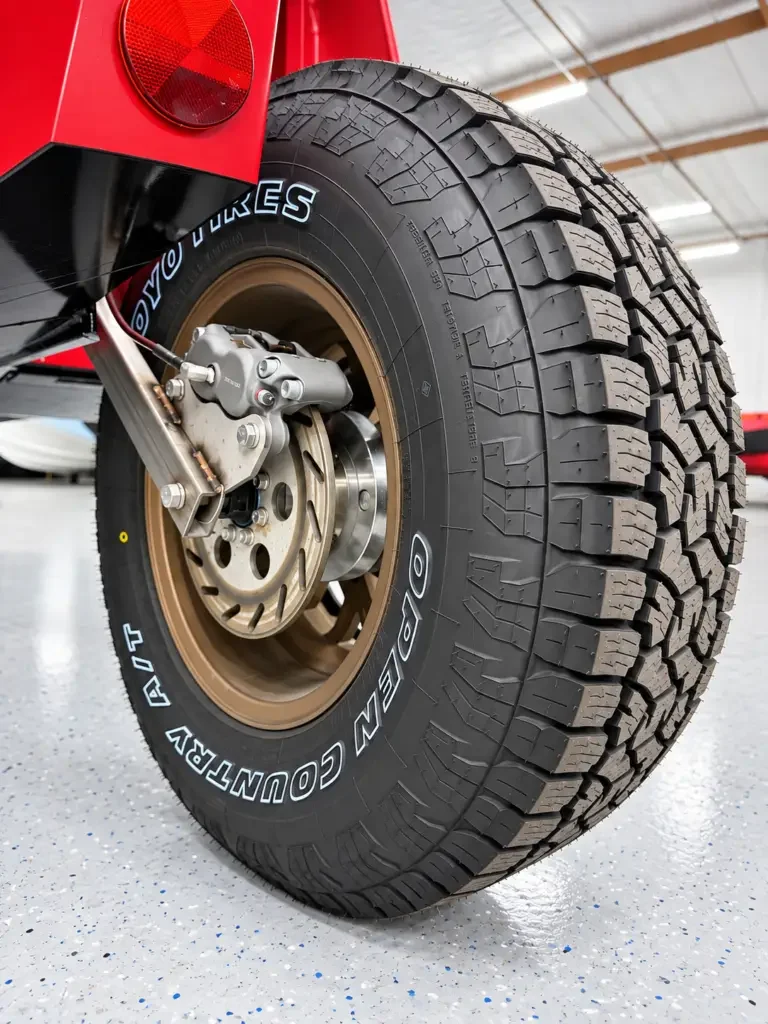
Think beyond the visible hull. Ask WaterCar what inspections apply to the road drive, brakes, steering, wheel-retraction equipment and marine propulsion on your delivered boat. Use the component-specific service procedures supplied for your configuration.
Coming ashore can make it convenient to organize after-use care. Positioning, flushing, storage and service access should follow the installed outboard's manual and WaterCar's instructions.
A covered storage location can be part of your ownership plan. Ask about the recommended preparation, charging, ventilation and inspection arrangements for your configuration instead of assuming that a sealed component or a cover eliminates maintenance.
Know when to ask for help
Have new or worsening pitting, damaged coatings, leaks, unusual electrical behavior or engine warnings assessed. Where an alarm or operating instruction calls for stopping, follow it rather than continuing an outing to see whether the symptom disappears.
Do not sand away layers of protective coating or alter electrical bonding based on a general article. A qualified technician can determine what needs investigation and which repair system is appropriate. Before purchasing a used boat or WaterCar, arrange an inspection suited to its construction, equipment and both operating environments.
Keep dated service records, inspection findings, invoices and component documentation. They help the next technician understand what has been done and give a future buyer a clearer ownership history. Follow the actual warranty terms for required records and service intervals.
Frequently asked questions
Does brackish water call for after-use care?
Yes. Mercury also recommends flushing after use in brackish water. Use the installed engine's instructions rather than assuming that lower salinity means no care is needed.
Which anodes should I use?
Use the type and replacement criteria specified for your equipment and operating environment. Do not substitute a material or paint over an anode. Ask the engine dealer if you are unsure which component is correct.
Can I use any salt-removal cleaner?
Check the product instructions against the materials, finishes, seals and components you intend to clean. Ask the equipment manufacturer or service provider about compatibility before using an unfamiliar product.
Does saltwater-capable construction establish suitability for every sea condition?
No. Material durability does not establish operating limits, offshore suitability or permission for a particular route. Plan around the boat's instructions, conditions and intended use.
Does proper maintenance guarantee that damage will never occur?
No. Equally, damage is not inevitable simply because a boat is used in saltwater. Avoid both guarantees. Inspect consistently and address problems through the appropriate service process.
Build care into the day
Choose a boat for the experience you want, and understand the ownership routine that comes with it. For WaterCar, that means discussing both road and marine use, obtaining the correct manuals and planning where after-use cleaning and service will happen.
Contact WaterCar service for model-specific guidance, or discuss your intended use with the team. This guide supports that conversation; it does not replace the supplied operating and maintenance instructions.