
SAFETY & STANDARDS
Built around
the boating day.
The WaterCar EV brings the hull, retractable wheels and road drivetrain together in one vehicle. Local access to boating is the design brief, with separate propulsion systems for the road and the water.
U.S. recreational WaterCar EV. The certification records described here are for model year 2026. Equipment and documentation are specific to the model year and configuration.
01 / PURPOSE SHAPES THE DESIGN
A defined purpose.
25 mph
Maximum designed road speed
Electric road propulsion is configured for low-speed local travel.
48 V
Low-voltage electric drive
A 48-volt nominal DC system powers local road travel. This low-voltage architecture is also used in marine applications.
Aluminum
Welded unibody construction
The hull and supporting structure form an integrated welded assembly.
02 / PURPOSE SHAPES THE DESIGN
The hull is part of the structure.
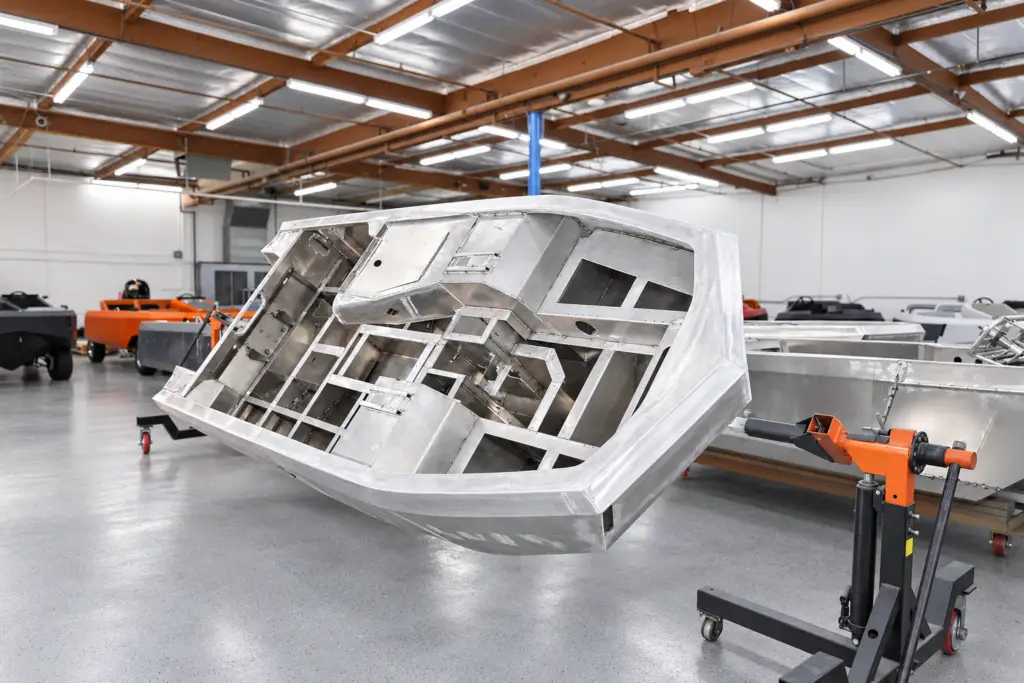
WaterCar EV uses welded aluminum unibody construction with foam-filled cavities. The hull, internal reinforcements and mounting structures are integrated into the assembly that supports the road and marine systems.
Closed-cell foam within the hull contributes buoyancy. Flotation performance is specific to the configuration, loading and test conditions. Flotation documentation can be requested for the vehicle under review.
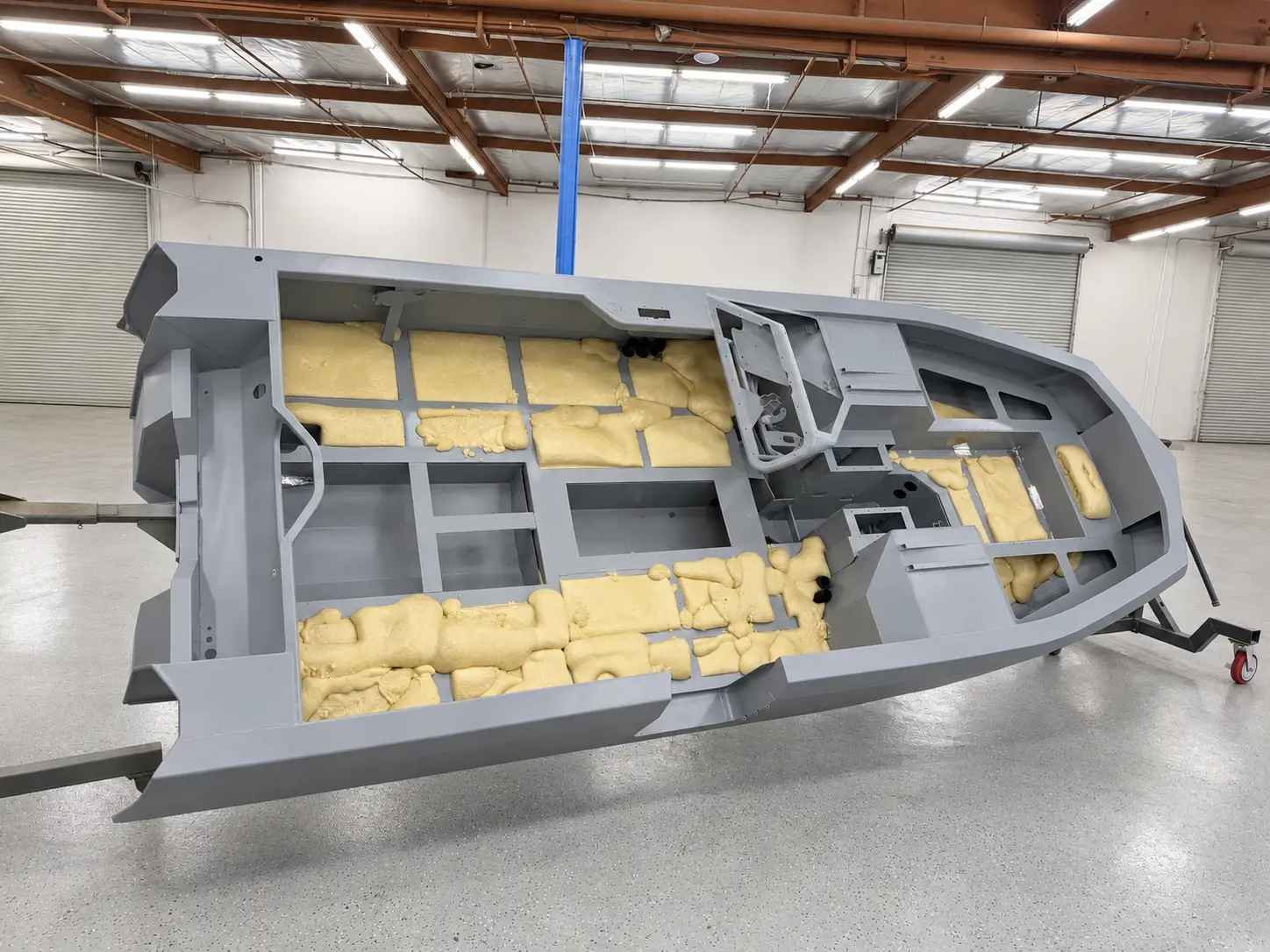
Flotation, stability and passenger capacity are separate considerations. A buoyancy feature does not establish performance in every flooding, damage or operating condition.
03 / PURPOSE SHAPES THE DESIGN
Systems with distinct jobs.
Road drive and braking
An electric motor drives the wheels. The documented recreational EV configuration uses hydraulic disc brakes, motor-based deceleration and a parking brake, each with a distinct function.
Marine propulsion
A 115 HP Mercury Pro XS outboard provides propulsion on the water. Marine person capacity is 6 people, subject to the vessel’s posted weight and loading limits.
Road-to-water transition
Retractable wheels allow the same hull to move between land and water. The transition and operating limits are addressed in the vehicle’s owner documentation.
Road seating and loading limits are separate.
04 / PURPOSE SHAPES THE DESIGN
Certification, stated precisely.
Road: WaterCar’s documentation identifies the EV as a Low Speed Vehicle with manufacturer certification under the applicable federal framework, including FMVSS No. 500. NHTSA sets and enforces federal standards; the manufacturer certifies the vehicle.
FMVSS No. 500 is a low-speed vehicle standard. It is a different framework from passenger-car crashworthiness requirements. WaterCar does not claim a passenger-car crash-test rating.
Marine: WaterCar’s NMMA Certificate of Compliance covers boats identified by HIN as model year 2026, within the scope of NMMA’s certification program using applicable ABYC standards and U.S. Coast Guard regulations. NMMA’s public manufacturer listing provides an independent reference for the stated model-year status.
Manufacturer certification, NMMA certification and government registration serve different purposes. They are not interchangeable approvals.
05 / PURPOSE SHAPES THE DESIGN
Documentation continues into service.
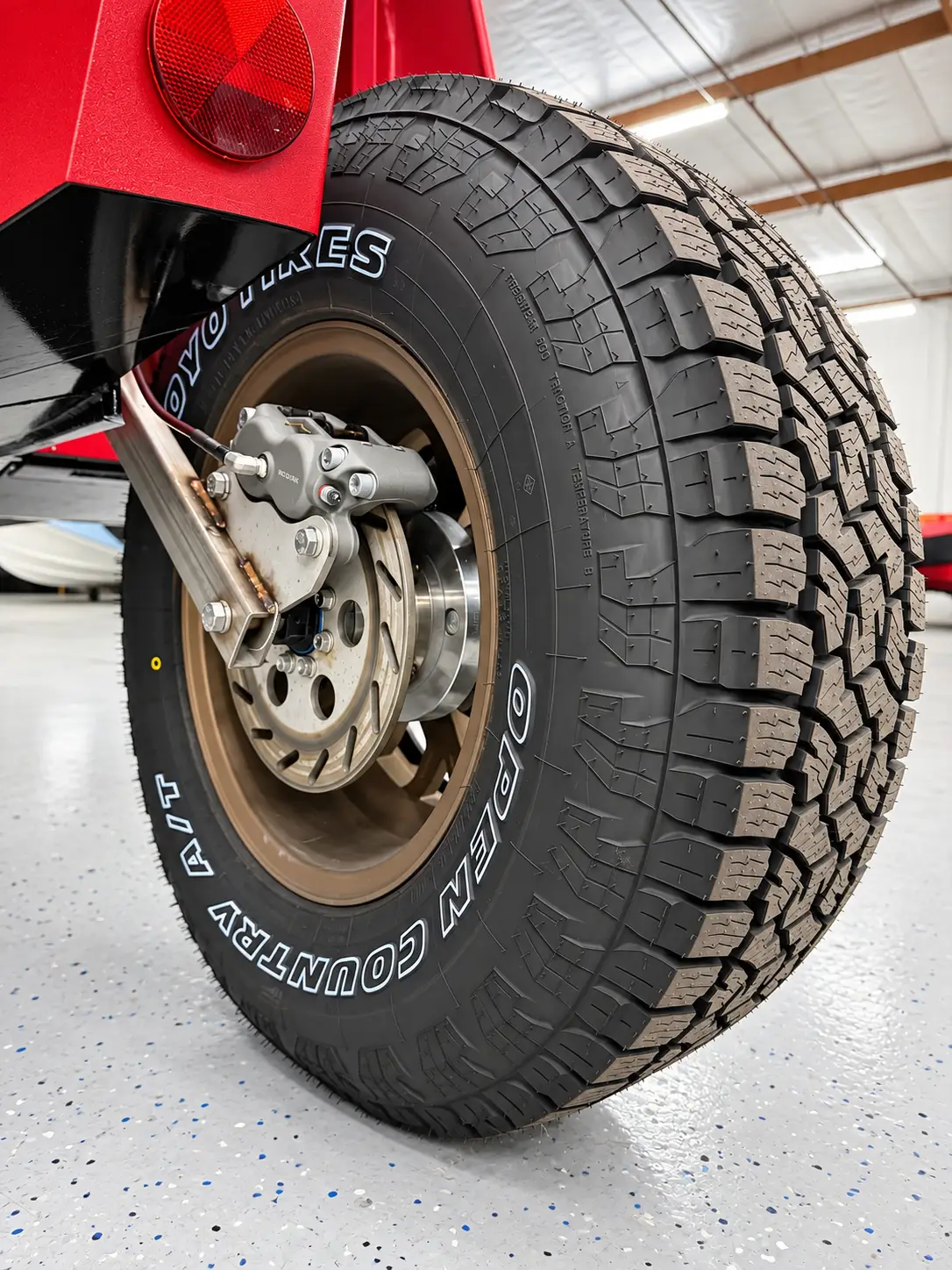
WaterCar’s technical documentation identifies road and marine components and includes vehicle wiring and service information. Qualified repair facilities can request information relevant to the vehicle and the work being evaluated.
The vehicle’s labels, build records and owner documentation identify configuration-specific capacities and operating limits. Road loading and seating limits are distinct from vessel capacity.
See the identity behind the engineering.
Explore how the VIN, HIN, registration records and insurance review relate to the same WaterCar.
Technical documentation requests: info@watercar.com