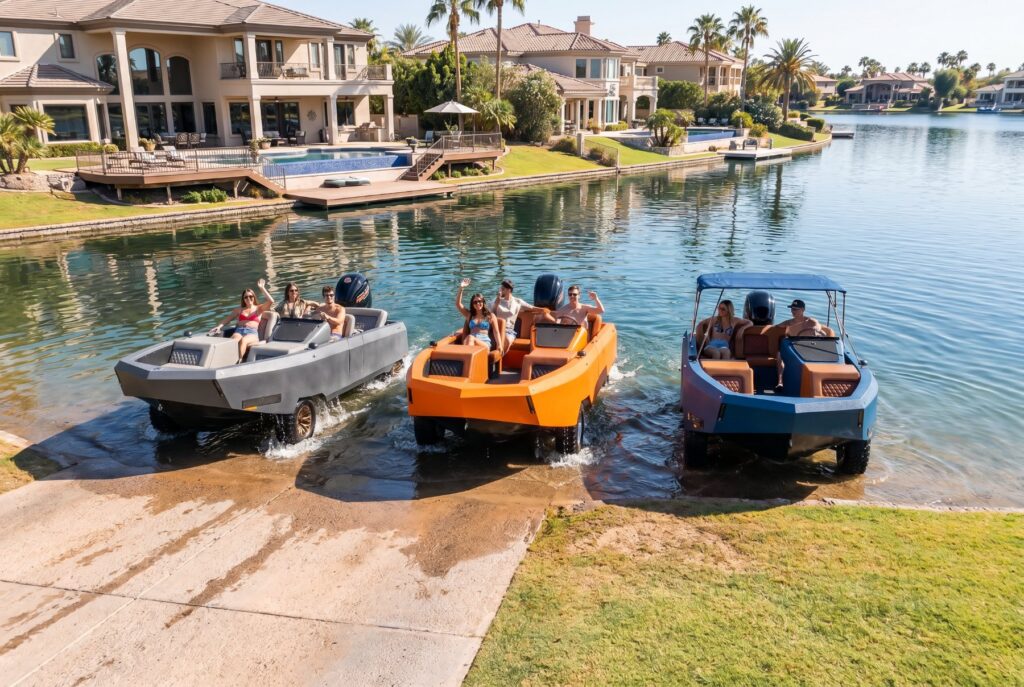
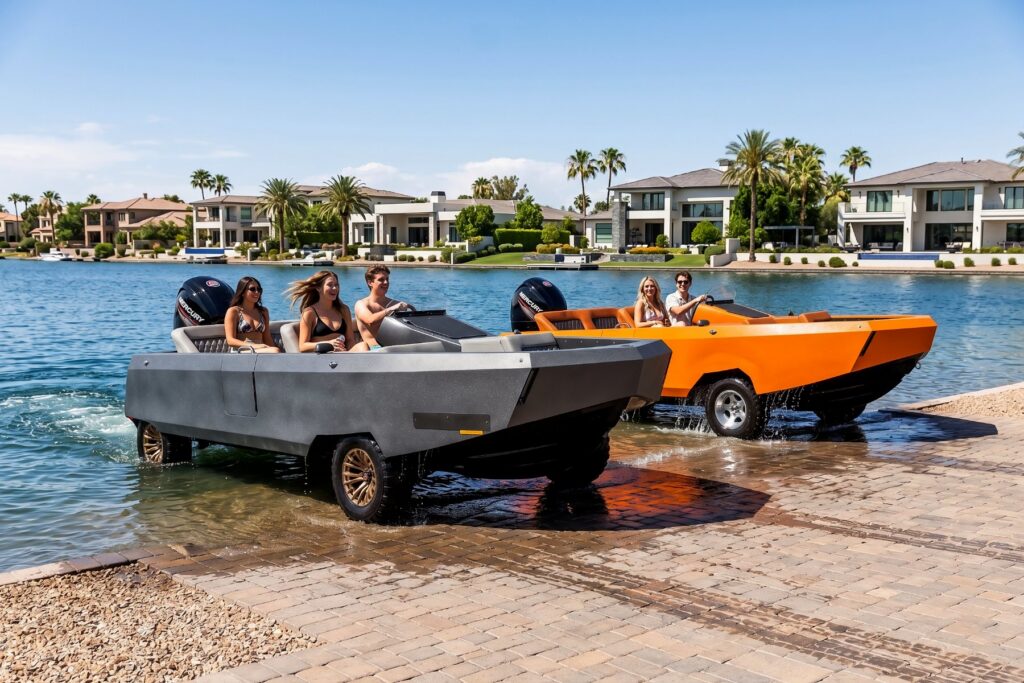
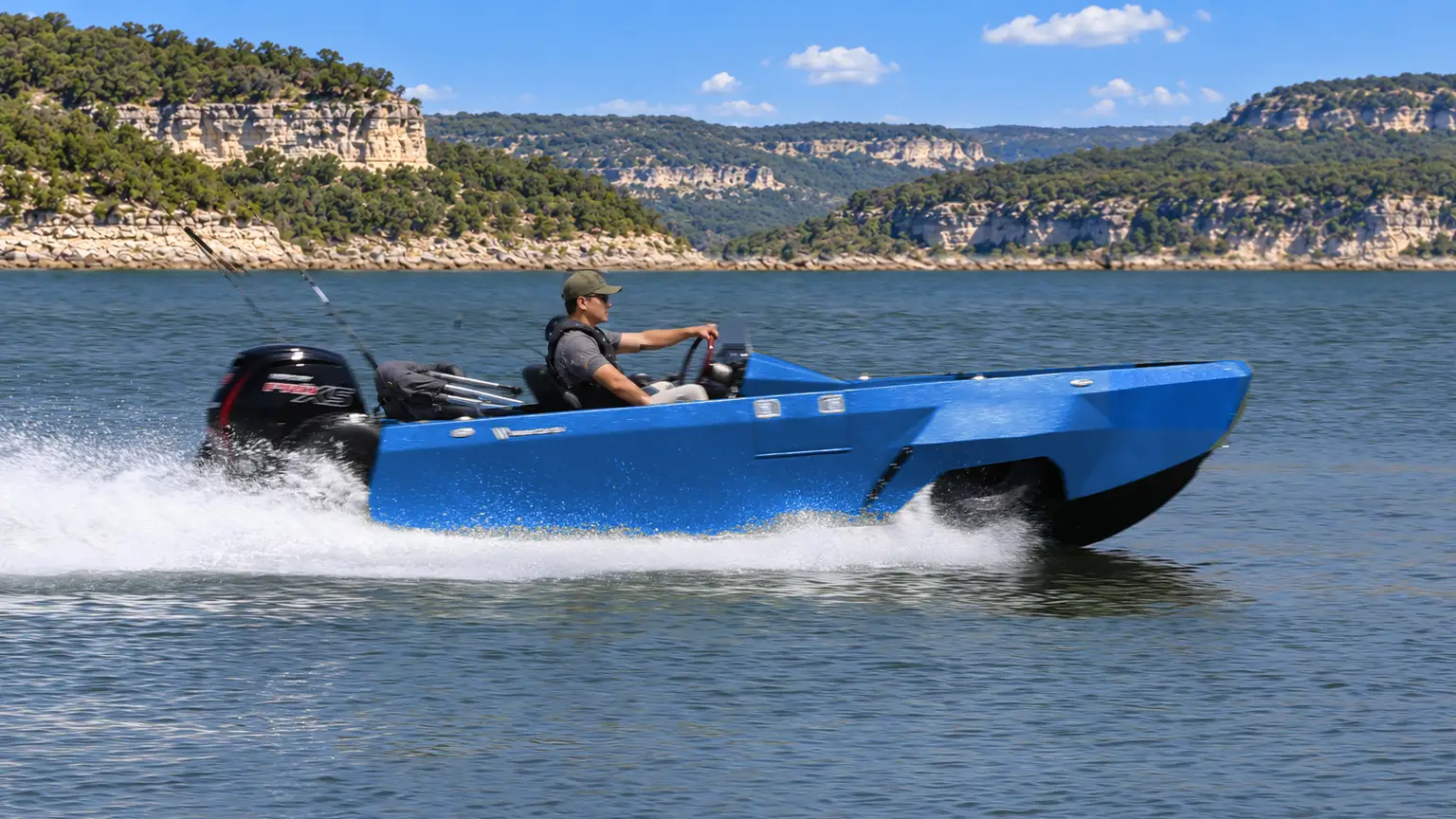
Two drive systems, one hydraulic lift, zero trailers. Here’s exactly what happens between the road and open water – and back.
A day on the water, in three steps.
Drive it.
Load up at home and drive to your local ramp using the low-speed vehicle (LSV) road system. Local roads only, no highway driving.
Launch it.
Drive down the ramp, retract the wheels, and get underway.
Enjoy it.
Cruise with friends, find your fishing spot, or explore somewhere new.
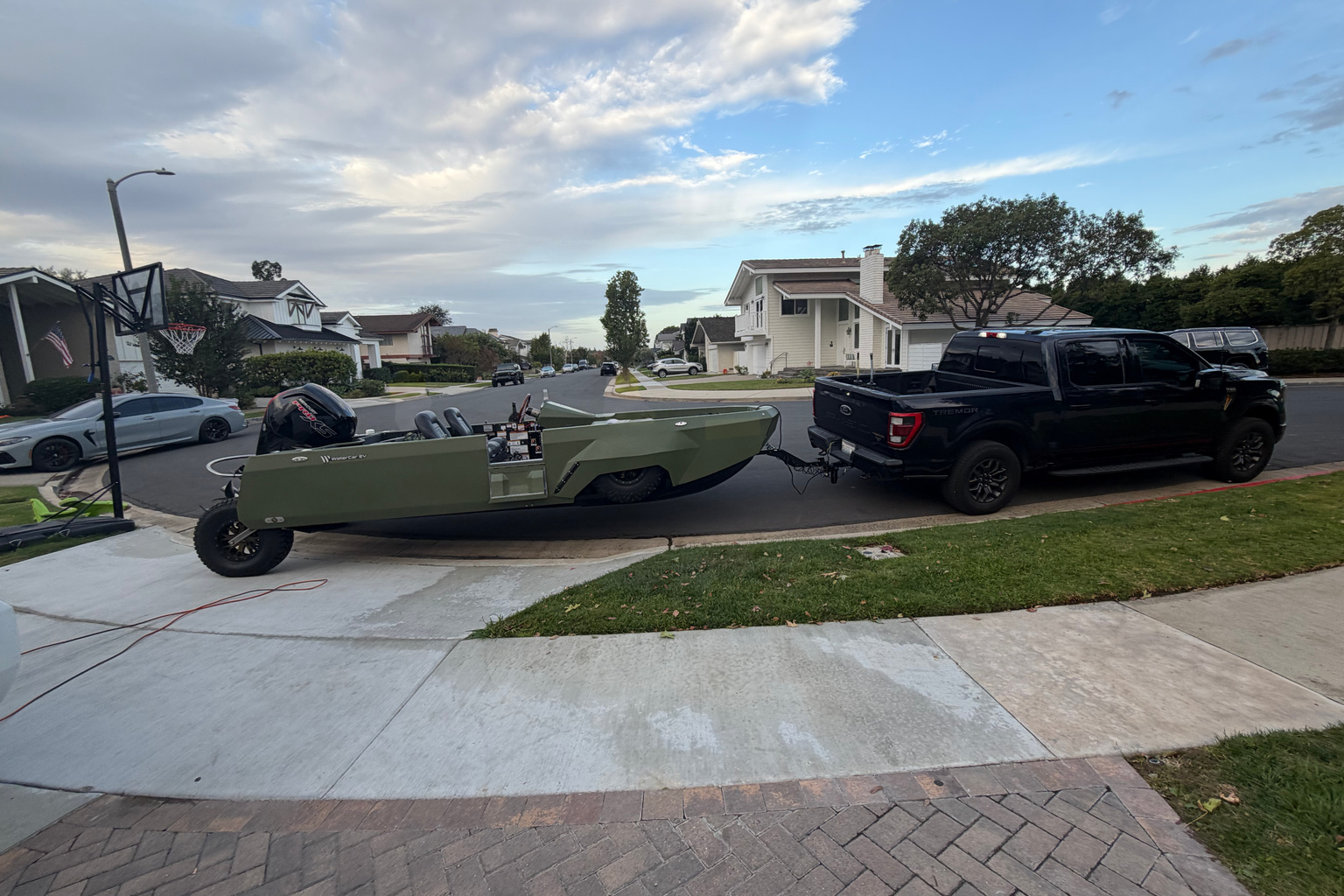
And you can tow it. No trailer necessary.
For longer journeys, Tow Mode lets WaterCar travel behind a properly rated tow vehicle using the specified equipment. Confirm the setup with WaterCar before towing.
Tow Mode setup · edited photograph.
The best motor for the water. The best motor for the road.
Two motors, each built for one job. On the water, a Mercury outboard does the work. On the road, a quiet electric drive moves you. Neither one ever has to compromise.
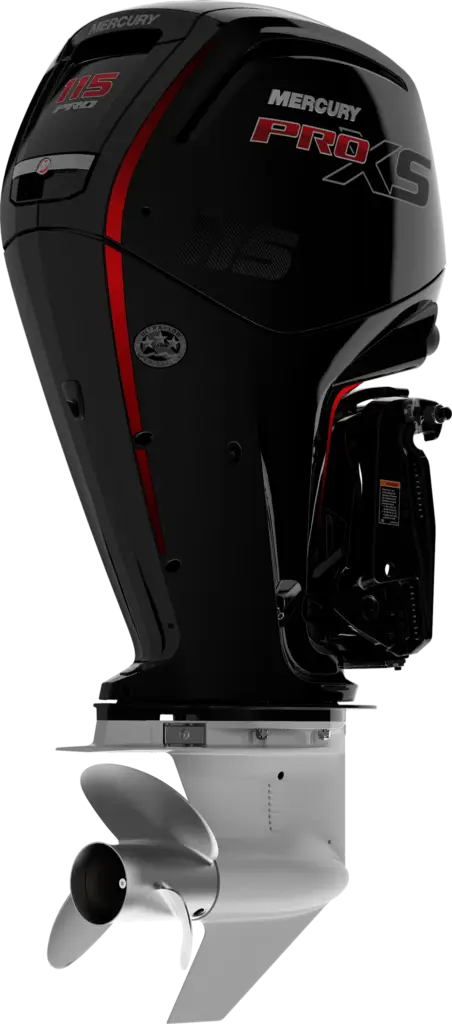
Gas-powered, on the water only. A real marine four-stroke with real torque – the right motor for getting on plane, pulling hard and running all day. Never runs on land.
Engine
Mercury Pro XS four-stroke
Strength
Fuel-efficient four-stroke
On land – electric
48V electric drive
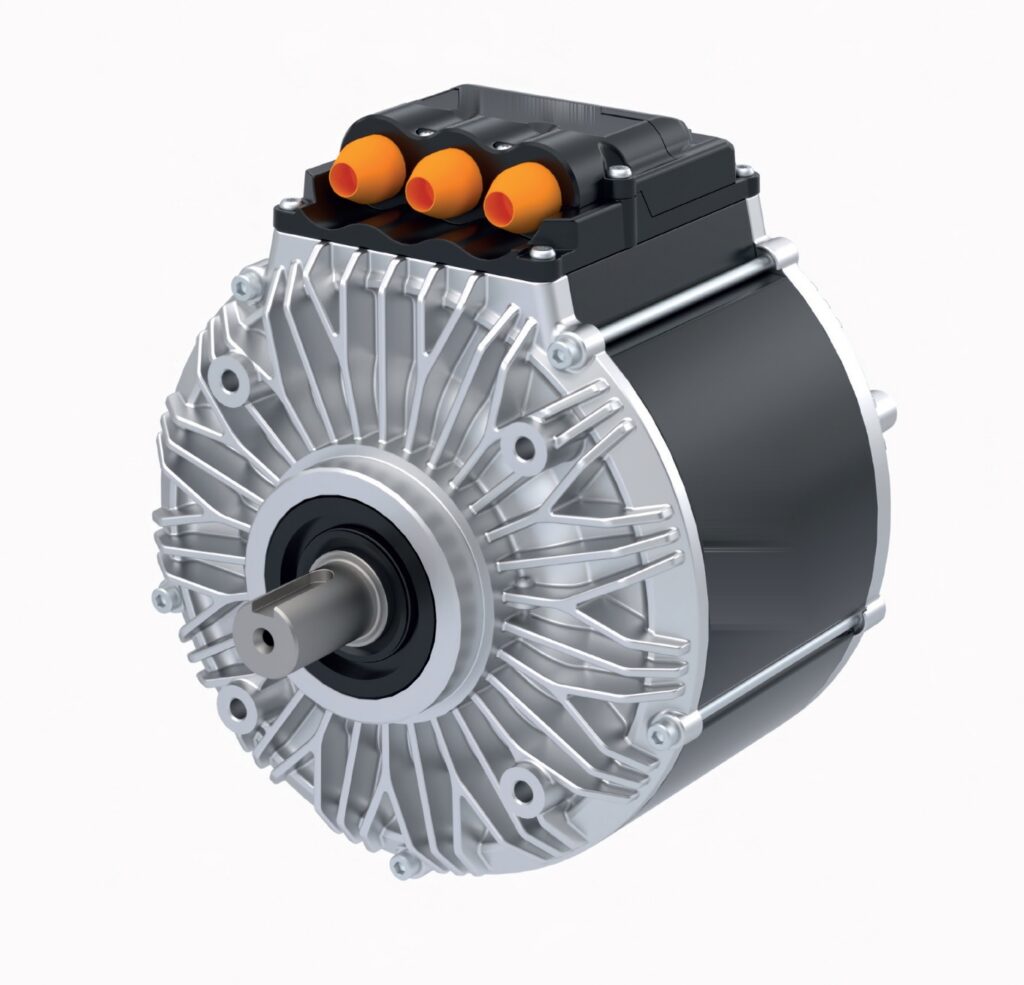
100% electric on land. Quiet, instant torque and nothing to warm up – the right motor for streets, driveways and the run down to the ramp.
Motor
Sealed 48V electric motor
Strength
Instant high torque
One steering wheel. Always connected.
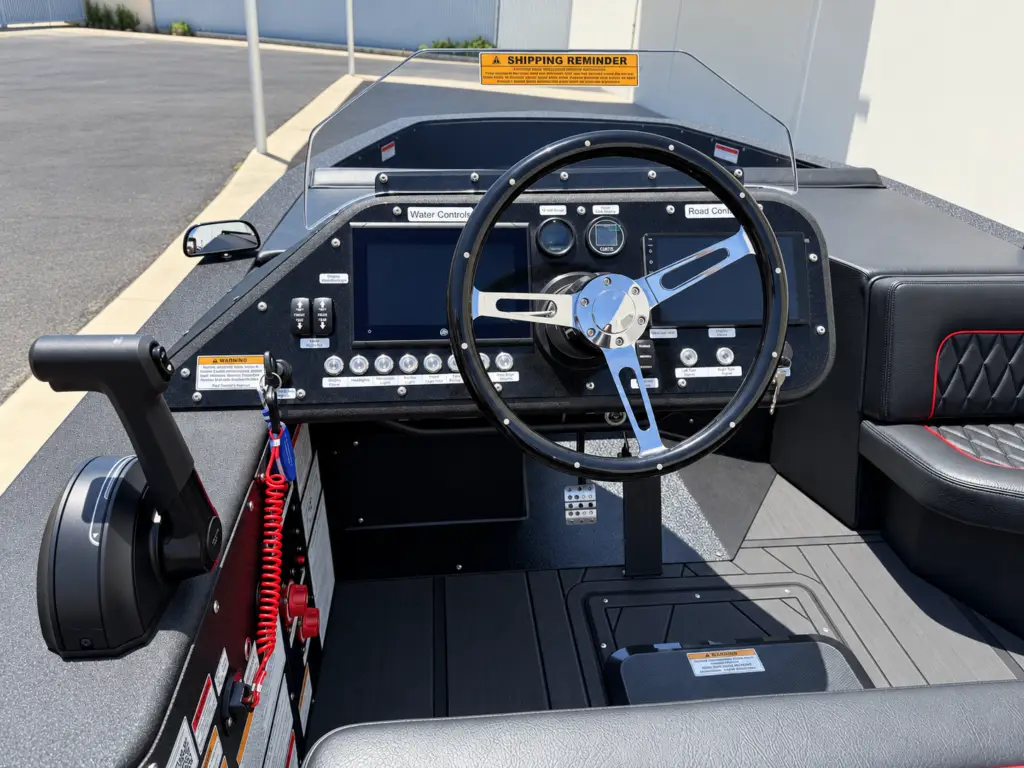
STEERING INPUTOne steering wheel
Road wheels
Outboard
The wheels and the outboard always turn together – on the road, on the water, and through every transition in between. Nothing to switch over, nothing to relearn: one wheel, laid out the way you already expect.
“Button up, wheels up.”
Two rocker switches on the dash – one for the front wheels, one for the rear. Push up and the wheels tuck into the hull. Push down and they’re back on the ground.
Hold until the tone changes
Wheels up or down takes about 15-20 seconds. Keep holding the switch until the pump tone changes – that’s your confirmation they’re fully up or fully down.
Straighten up first
Center the steering before you touch a switch. Quick check: if the outboard is straight, so are the wheels.
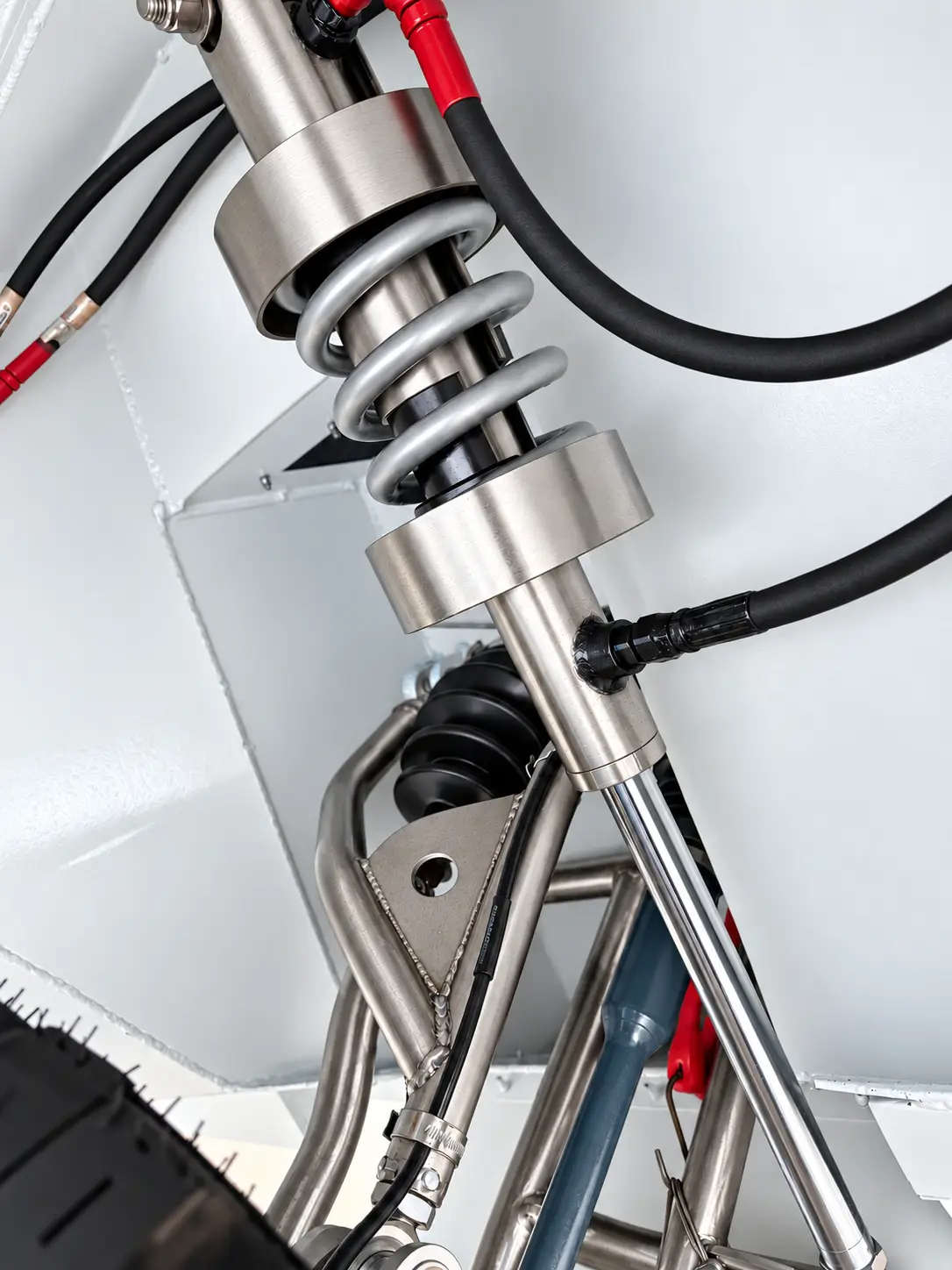
COMPONENT DETAILHydraulic wheel retractionStainless steel, anodized aluminum and sealed bearings—built for demanding marine environments, including saltwater use.
Six steps from pavement to plane.
The short version of the owner’s manual procedure. Run the pre-launch checklist first, every time.
01
Pick your spot
A firm, gradual ramp with enough depth at the end and a clear path. Know your way back out before you go in.
02
Stop at the edge
Everyone seated, gear stowed, PFDs within reach, kill lanyard on. Outboard tilted fully up.
03
Roll in on the wheels
Wheels down, drive in slowly until you’re floating free and level. Take a look in the bilge.
04
Drop the outboard and fire it up
Lower it to running angle, prop fully submerged. Watch for the cooling-water stream within 30 seconds.
05
Wheels up
Clear of shore, shut off the electric drive, straighten the wheels. Rear up first, then front. You’re a boat.
06
Get on plane
Trim around 35-40, then full throttle in one decisive motion. Once you’re up, ease back and trim out to cruise.
And back out, just as easy.
Pick your exit before you head in – firm, gradual and clear.
01
Set up the approach
Trim the outboard up to clear the ramp. Electric drive on, switch to Forward.
02
Come in straight
Run in on the outboard at low speed, square to the ramp. The motor gives you steering that drifting won’t.
03
Front wheels, then rear
When the hull touches and the boat is steady, drop the front wheels, then the rear. Hold each switch until the tone changes.
04
Drive it out
Confirm all four wheels are down and locked, then drive slowly up and off the ramp.
05
Quick check before the road
Park brake on. Pump the bilge, test the brakes, check the wheel nuts, flush the outboard. Seat belts on before you roll.