Every WaterCar, built to beat the last.
Twenty-five years of prototypes, record runs and rebuilds – and what each one taught us.
Six machines. Each one built to beat the last.
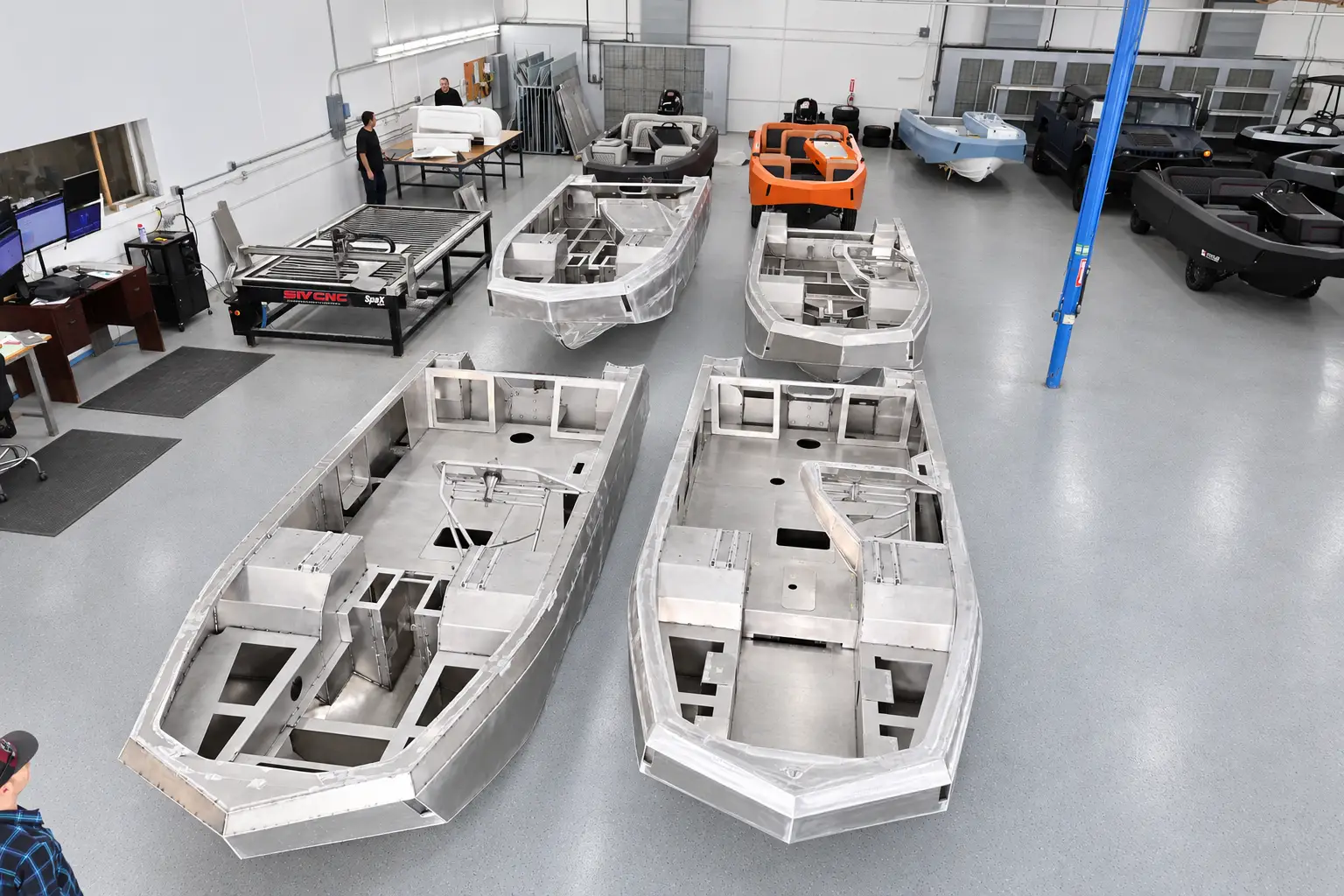
CAD design, hands-on fabrication and real-world testing work together here. Every WaterCar was built, tested and refined – each generation carrying the lessons of the last into the next.
Founded by Dave March in 20001999, WaterCar has spent a quarter-century and five generations of hulls refining a single idea from one Southern California shop – twenty-eight patents along the way, and boats delivered to waterfronts and private collections around the world.
One of our boats crossed thirty miles of open Pacific to Catalina and back, and an earlier one set the Guinness World Record as the world’s fastest amphibious vehicle. That heritage is real – but the boat we build today is refined for owners, not record books.
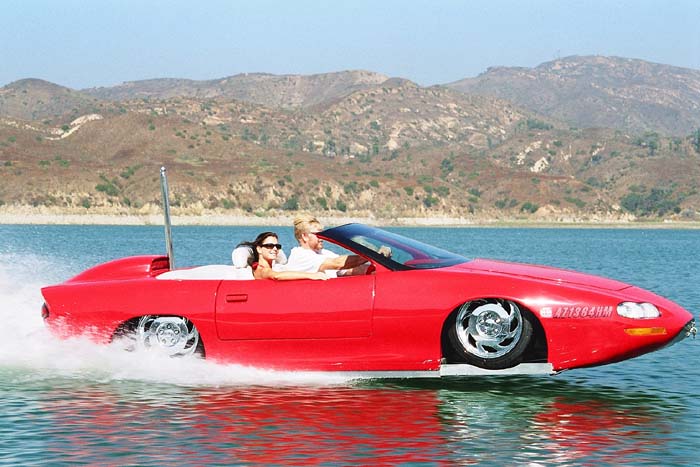
The first prototype
Low and fast. It proved the idea could move like something you would actually want to drive.
Historical specification
Construction: Fiberglass body
Engine: Subaru
Water drive: Jet propulsion
Wheels: Hydraulic retraction
Reported by Autoblog, 2004.
Read Autoblog’s 2004 feature ↗
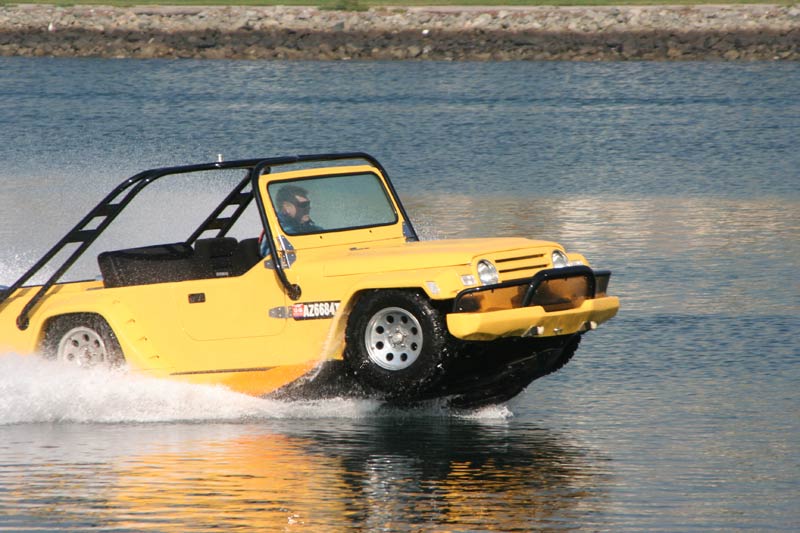
Go anywhere
A rugged, go-anywhere take on the idea. It added off-road nerve.
Historical specification
Platform: Volkswagen engine and chassis
Size: 15 ft long × 6 ft wide
Water speed: 8 mph
Seating: Four
Typical kit specifications published by Jeepfan; builds varied.
Read the Gator feature ↗
Heritage · the record
The performance chapter: in its day it set a Guinness World Record as the fastest amphibious vehicle ever built. A heritage milestone – not the boat we build now.
Historical performance
Engine: Corvette LS-series V8 configuration
Water drive: Dominator jet
Reported speed: Over 120 mph on land; over 60 mph on water
Wheels: Retractable
New Atlas, 2009; performance depended on engine configuration. These are period-reported figures, not the Guinness record measurement.
Read New Atlas’s Python feature ↗
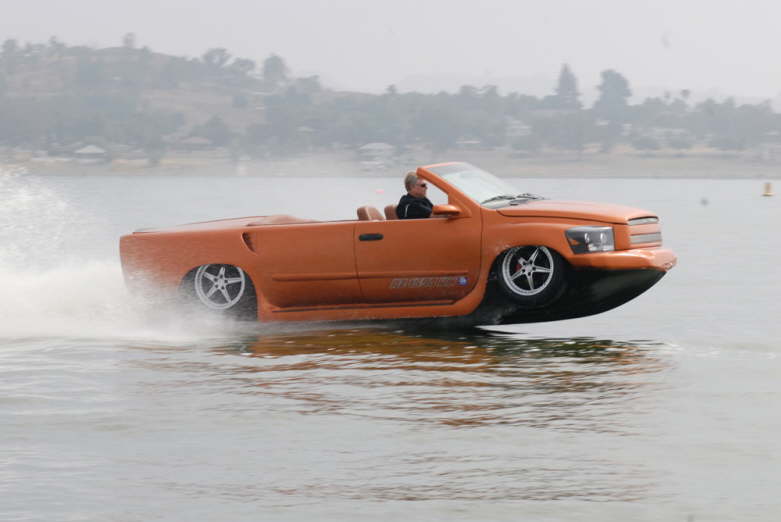
Jay Leno · Top Gear · Dubai
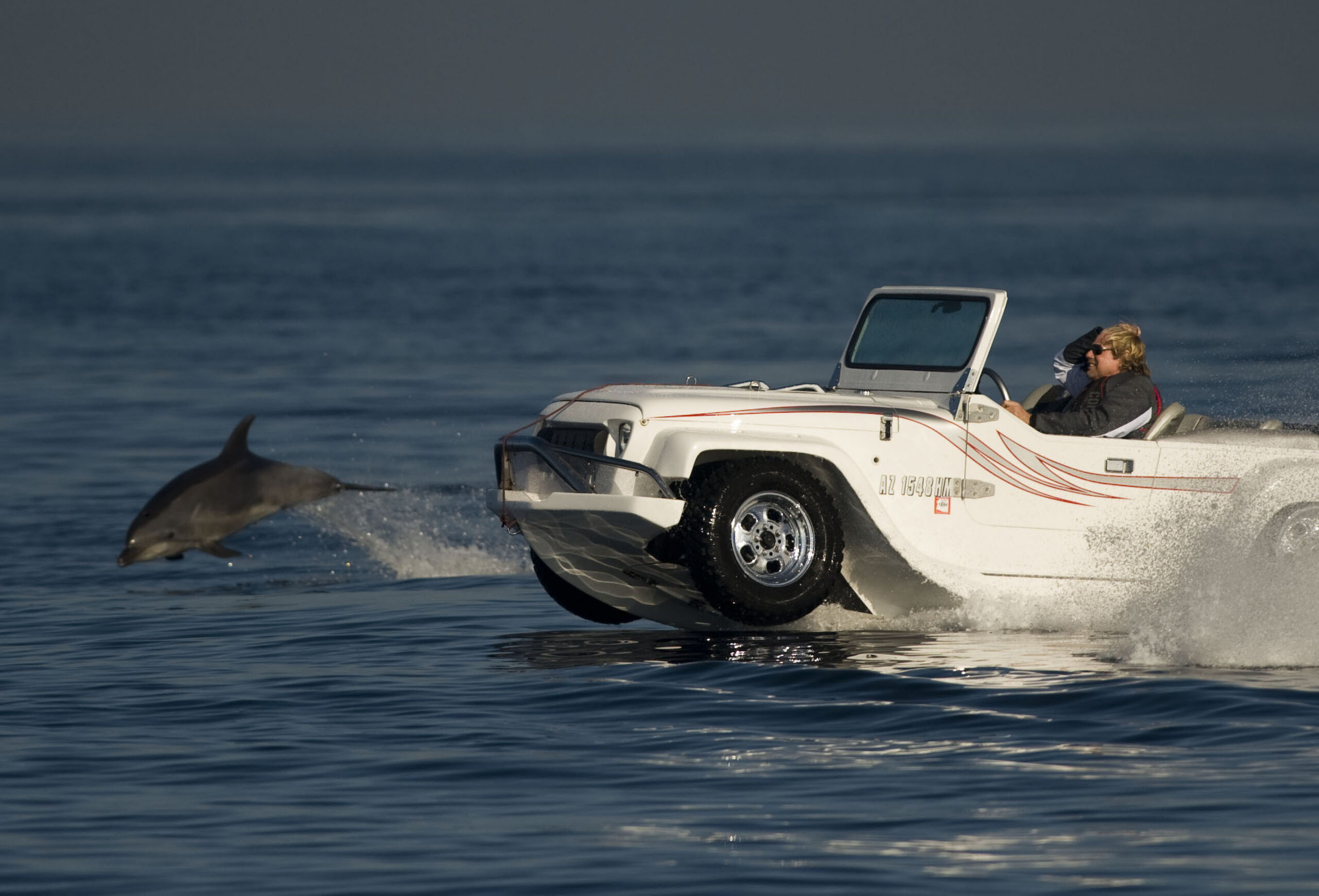
The one the world met – Jay Leno’s Garage, Top Gear, Forbes, MrBeast. In 2014 it crossed to Catalina.
Original Panther specification
Construction: Chromoly chassis / fiberglass hull
Engine: Rear-mounted V6
Launch-era speed: About 80 mph on land; 44–45 mph on water
Seating: Four
Original Panther figures; individual hand-built vehicles varied.
Read MotorTrend’s Panther feature ↗
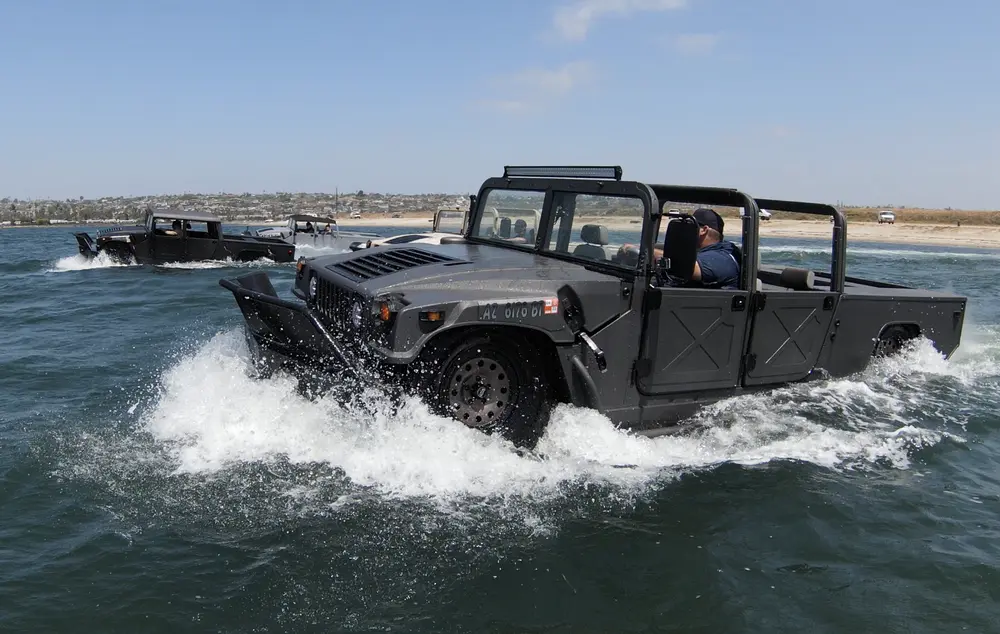
The aluminum lesson
Working a real aluminum body taught WaterCar the material that would make today’s boat possible.
H1 specification
Size: 20 ft long × 7 ft wide
Engine: 430 hp Chevrolet LS3 V8
Water speed: Up to 35 knots
Land drive: 4×4 automatic
WaterCar’s published H1 specifications.
Read the H1 feature ↗
The culmination
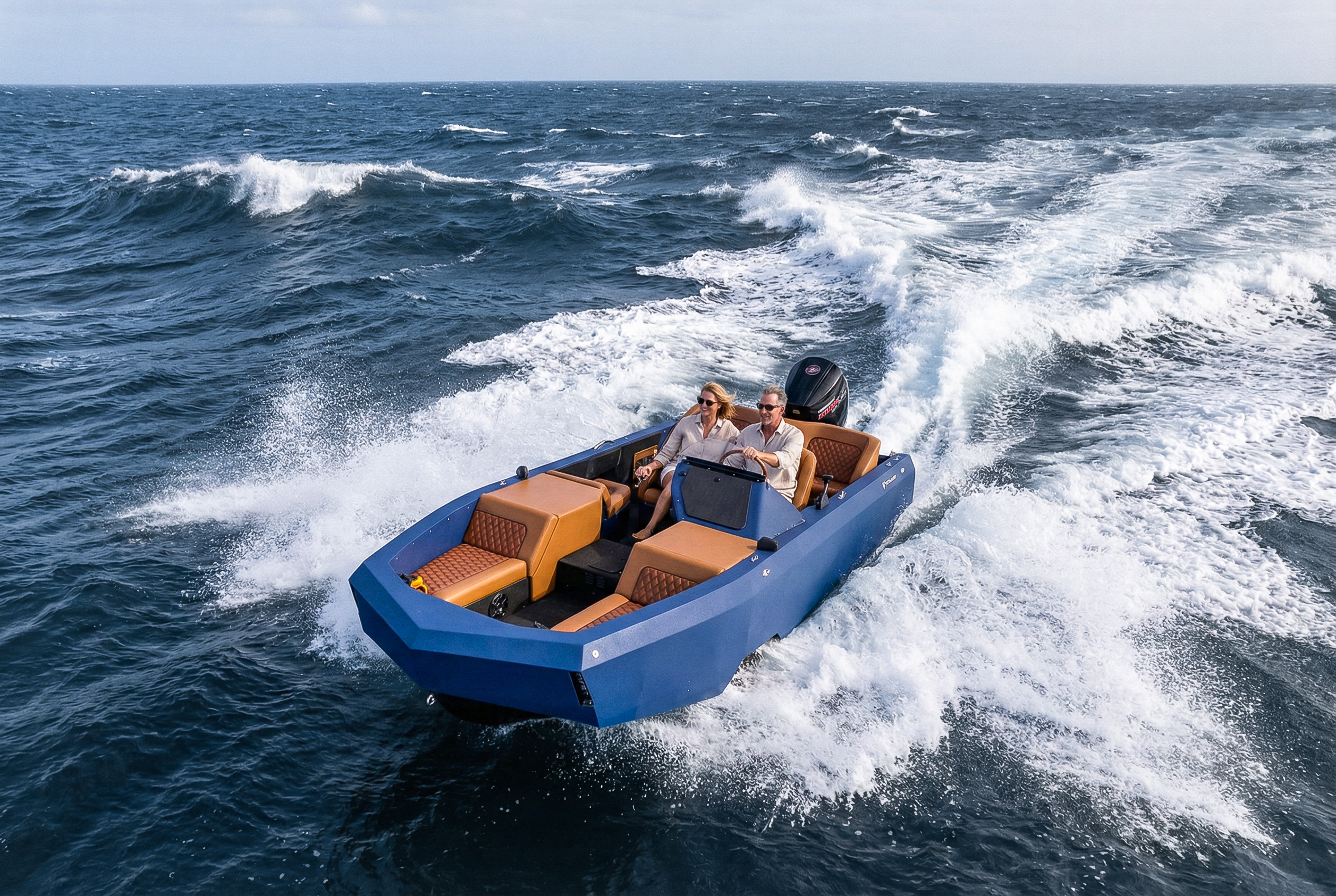
Today’s WaterCar is the culmination of everything that came before it—the most complete expression of what we set out to build. Twenty-five years of development, 28 patents, lessons from every previous vehicle and nearly 10,000 survey responses, alongside owner feedback and customer inquiries, have shaped the boat we believe the world has been waiting for.
AI-assisted development and advanced manufacturing bring that vision within reach in ways that were not possible for us even five years ago. Its aluminum hull is welded inside and out using computerized pulse-arc welding. Modern tools work alongside tried-and-true manufacturing techniques to build efficiently while staying true to the fundamentals: safety, performance, reliability and serviceability.
That progress carries through to ownership. We design around familiar service practices so traditional mechanics and service centers can support the vehicle, and technically capable owners can handle appropriate maintenance. Every generation brought us closer. This is where it all comes together: forward-thinking engineering built around the way people want to boat today.